
Key Takeaways
-
Low-impact exercises help seniors stay active while protecting joints and reducing injury risk
-
Regular physical activity supports balance, strength, heart health, and cognitive function
-
Simple exercises like Walking, Yoga, Tai Chi, and chair workouts are effective and adaptable for different mobility levels
-
Strength training and cycling help maintain muscle mass, bone density, and overall endurance
-
Starting slowly, staying hydrated, and consulting a healthcare provider are essential for safe exercise routines
-
Consistency, enjoyment, and social engagement make it easier to maintain a healthy, active lifestyle
Introduction
Maintaining an active lifestyle is crucial for seniors aiming to preserve mobility, strength, and overall health. However, high-impact activities often prove challenging for aging joints. Fortunately, in-home personal training for seniors makes it possible to stay fit with low-impact exercises that minimize the risk of injury and joint discomfort.
Low-impact exercises can help seniors maintain independence, strengthen muscles, and improve mood, all while being gentle on the body. Seniors who commit to regular physical activity can experience a better quality of life, improved balance, and enhanced cognitive function.
According to the Centers for Disease Control and Prevention, staying active is essential for seniors to prevent chronic diseases and maintain mental sharpness. This article will explore the best low-impact exercises for seniors and how to incorporate them safely into a daily routine.
Each of these activities can be tailored to individual needs and preferences, whether through group classes, at-home workouts, or guided sessions with a trainer.
Benefits of Low-Impact Exercises
Engaging in low-impact exercises brings several tangible health benefits:
-
Joint Protection: These activities minimize joint stress, reducing the risk of pain and injury often associated with high-impact workouts.
-
Improved Balance and Coordination: Exercises such as yoga and tai chi enhance stability and may help lower the risk of falls.
-
Cardiovascular Health: Consistent participation in low-impact activities can improve heart health and circulation, which are crucial for long-term well-being.
-
Mental Well-being: Physical activity is connected to improved mood and cognitive sharpness, helping seniors remain mentally agile and positive.
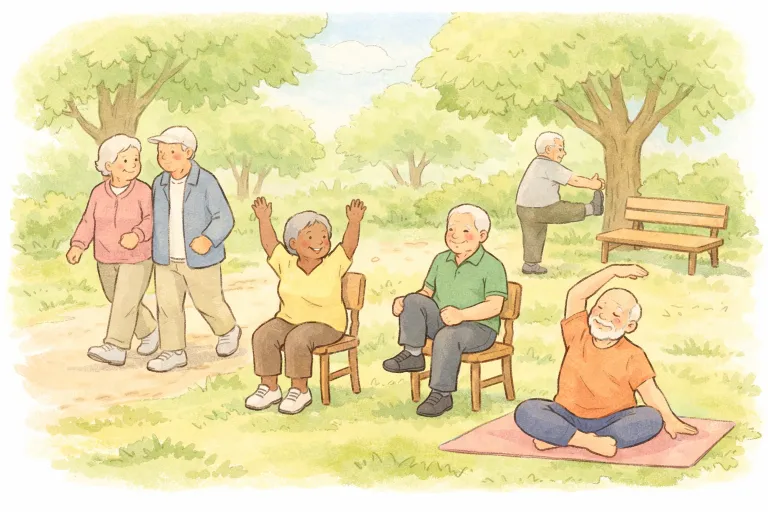
Top Low-Impact Exercises for Seniors
1. Walking
Walking remains one of the most effective and accessible ways to stay active. Regular brisk walks strengthen the heart, improve stamina, and support joint health. Many seniors find walking enjoyable, and it can easily be adapted to any fitness level or location. The CDC recommends at least 150 minutes of moderate-intensity aerobic activity per week for older adults. Breaking it down into 30-minute walks five days per week is an achievable and beneficial goal.
2. Chair Exercises
Chair-based movements are an excellent option for those with limited mobility or balance concerns. Seated exercises like leg lifts, arm raises, and torso twists build strength and flexibility without stressing the knees, hips, or back. These routines are often included in senior fitness programs and can be performed at home with minimal equipment.
3. Yoga
Yoga is a gentle, adaptable form of exercise that improves flexibility, balance, and mental focus. Many yoga poses can be modified for different ability levels, and practicing regularly can help seniors develop a greater range of motion and stability. Yoga’s combination of movement, controlled breathing, and meditation also plays a significant role in reducing stress and supporting emotional health.
4. Strength Training
Maintaining muscle mass is vital for overall health and functional independence. Strength training with light weights or resistance bands helps build lean muscle while protecting bone density, which tends to decrease with age. Focus on exercises that target major muscle groups, such as bicep curls, squats (with assistance if necessary), and push-ups against a wall. Aim for two to three sessions per week, allowing at least one day of rest between workouts for a specific muscle group.
5. Cycling
Cycling, whether on a stationary bike or outdoors, provides an excellent cardiovascular workout while keeping strain off the joints. It can help build leg strength, boost mood, and manage weight. Stationary bikes are ideal for those wary of losing balance, and resistance can be adjusted according to ability.
6. Tai Chi
Tai chi, an ancient Chinese martial art, is now famous worldwide as a gentle exercise that emphasizes slow, deliberate movements and deep breathing. Studies published by the Mayo Clinic show that tai chi may improve balance, coordination, and flexibility, making it particularly beneficial for fall prevention. It is also known for its meditative qualities and ability to relieve stress.
Safety Tips for Exercising
While low-impact activities are generally safe for most adults, it is always wise to take precautions:
-
Consult a Healthcare Provider: Discuss new exercise routines with a doctor, especially if you have a medical condition or mobility limitation.
-
Start Slowly: Increase intensity and duration gradually to build stamina and avoid overexertion or strain.
-
Listen to Your Body: Pay close attention to pain or fatigue, and adjust your routine as needed. Never push through sharp pain.
-
Stay Hydrated: Drink water before, during, and after activity, especially if exercising indoors or in warm weather.
Regular exercise doesn’t have to be a chore. Group classes, community walking groups, or finding a workout partner can make physical activity more enjoyable and motivating. Set realistic, measurable goals such as increasing daily steps or mastering a new yoga pose, to stay focused and track progress. Many local community centers or senior organizations offer classes specifically designed for older adults, making it easier to find supportive environments tailored to senior fitness.
Enjoyment and social engagement are key. Activities like gardening, dancing, or swimming can be considered as supplemental options, making it easier to maintain an active lifestyle throughout the years.
Final Thoughts
Low-impact exercises present a safe and effective way for seniors to stay fit, healthy, and independent. With options ranging from walking and chair workouts to tai chi and strength training, there is a suitable activity for everyone. Consulting a healthcare provider, choosing enjoyable exercises, and incorporating movement into daily routines can transform the aging experience and support long-term well-being.