
The Himalayas, often referred to as the “Roof of the World,” are the ultimate destination for mountaineers and adventure enthusiasts. Stretching across five countries—Nepal, India, Bhutan, China (Tibet), and Pakistan—this majestic mountain range is home to some of the highest and most challenging peaks on Earth, including Mount Everest, Kanchenjunga, and Annapurna. Himalayan peak climbing is not just a sport; it is an exhilarating experience that tests endurance, courage, and determination while offering awe-inspiring views of nature’s grandeur.
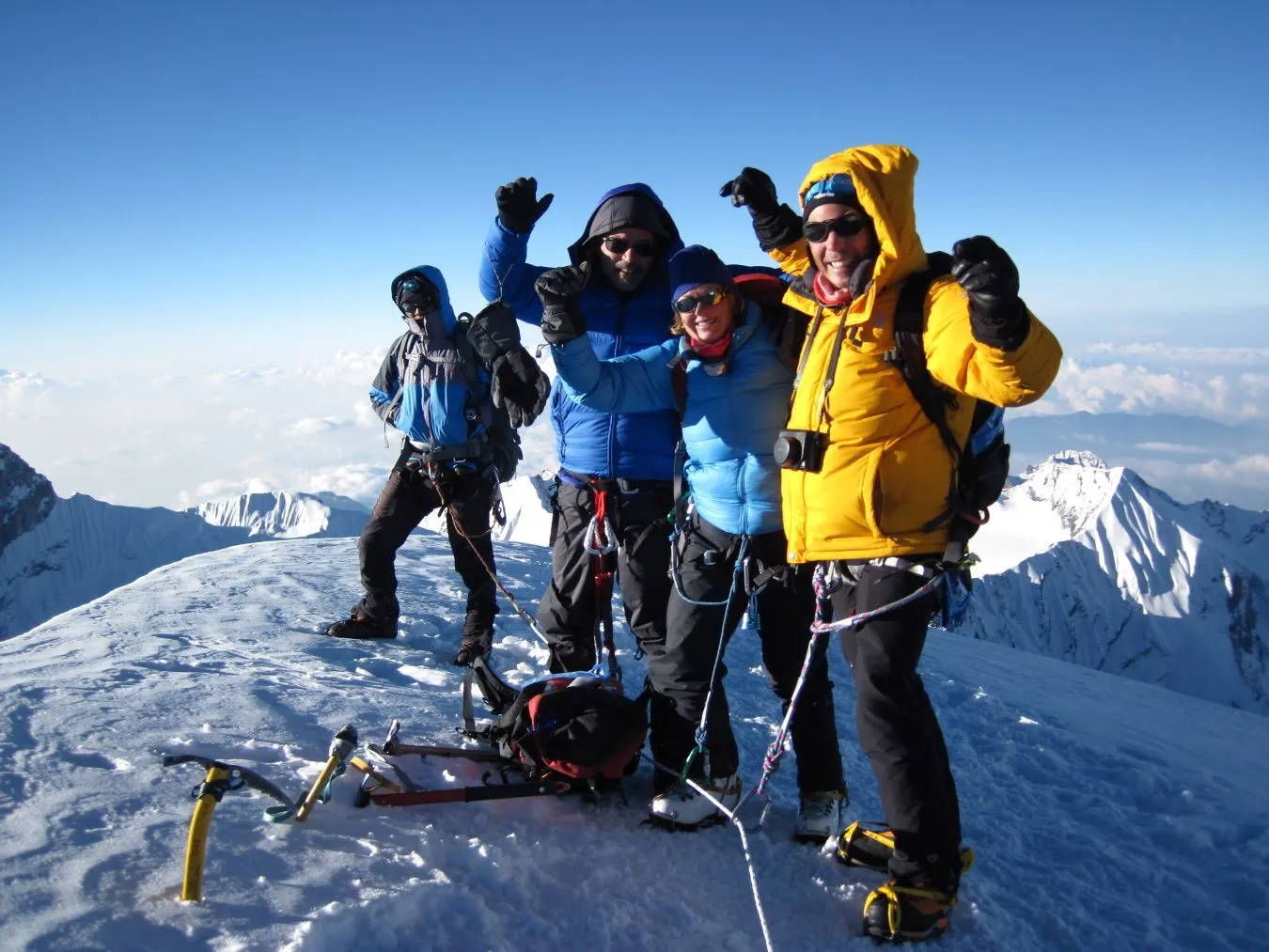
Why Himalayan Peak Climbing is a Dream Adventure
For adventure seekers, the Himalayas represent the pinnacle of mountaineering. Climbing a Himalayan peak is more than just reaching the summit; it is a journey through diverse terrains, cultures, and ecosystems. Trekkers and climbers encounter lush valleys, glacial landscapes, rushing rivers, and snow-capped peaks that seem to touch the sky. The challenge of conquering a Himalayan peak attracts climbers from all over the world, making it a bucket-list experience for serious mountaineers.
The Himalayas offer a wide variety of peaks suitable for climbers of different skill levels. From trekking peaks ideal for beginners to extreme high-altitude expeditions for seasoned mountaineers, the region provides options that cater to every adventurer.
Popular Himalayan Peaks for Climbing
1. Mount Everest (8,848m / 29,029 ft)
The world’s highest peak, Mount Everest, is the ultimate goal for climbers worldwide. Expeditions to Everest demand rigorous physical and mental preparation, technical climbing skills, and acclimatization to extreme altitudes. Most climbers start from the south side in Nepal, trekking through the Khumbu Valley and setting up base camps before attempting the summit. The breathtaking views of the surrounding peaks, glaciers, and valleys make the arduous journey worthwhile.
2. Kanchenjunga (8,586m / 28,169 ft)
The third-highest mountain in the world, Kanchenjunga, straddles the border between Nepal and India. Known for its remote location and challenging terrain, Kanchenjunga offers an off-the-beaten-path climbing experience. Expeditions here require advanced mountaineering skills and a high level of endurance. The mountain is revered locally as sacred, adding a spiritual dimension to the climb.
3. Annapurna I (8,091m / 26,545 ft)
Annapurna I, famous for its massive ice walls and avalanche-prone slopes, is considered one of the most dangerous Himalayan peaks. Climbing Annapurna is a serious endeavor, suitable for highly experienced mountaineers. The Annapurna region, however, also offers trekking peaks like Annapurna Base Camp and Mardi Himal, which provide excellent preparation and acclimatization opportunities.
4. Island Peak (Imja Tse, 6,189m / 20,305 ft)
Island Peak is a popular trekking peak in Nepal, often chosen by climbers seeking their first Himalayan summit. It combines trekking and technical climbing, offering a realistic high-altitude experience without the extreme risk of the 8,000-meter giants. Climbers can enjoy stunning views of Mount Everest, Lhotse, and Ama Dablam from the summit.
5. Mera Peak (6,476m / 21,247 ft)
Mera Peak is another beginner-friendly climbing peak in Nepal, famous for its panoramic Himalayan vistas. The climb requires basic mountaineering techniques like ice axe and crampon use, making it ideal for those new to Himalayan climbing. Its moderate difficulty and breathtaking surroundings make Mera Peak a favorite among trekking-climbers.
Preparing for Himalayan Peak Climbing
Successful Himalayan peak climbing requires careful planning, physical preparation, and knowledge of high-altitude conditions. Here are essential steps for preparation:
1. Physical Fitness
Climbing in the Himalayas demands excellent cardiovascular endurance, strength, and stamina. Regular cardio workouts, strength training, and long hikes are crucial to build the fitness needed for challenging terrains and high-altitude conditions.
2. Technical Skills
Depending on the peak, climbers may need skills in rock climbing, ice climbing, and glacier travel. Familiarity with equipment like ropes, harnesses, crampons, and ice axes is essential. Many climbers undergo mountaineering courses or guided practice expeditions before attempting Himalayan peaks.
3. Acclimatization
High-altitude climbing carries risks such as Acute Mountain Sickness (AMS). Gradual acclimatization by spending days at various elevations helps the body adjust and reduces health risks. Climbing itineraries often include rest days and shorter treks to higher camps to ensure safe acclimatization.
4. Choosing the Right Season
The best climbing seasons in the Himalayas are pre-monsoon (April to early June) and post-monsoon (September to November). These periods offer clear weather, stable temperatures, and reduced avalanche risks. Monsoon season is generally avoided due to heavy snow, rain, and slippery conditions.
5. Travel Permits and Regulations
Most Himalayan peaks require permits issued by local authorities or national trekking agencies. Climbers must adhere to environmental regulations and safety guidelines. Hiring experienced guides or joining organized expeditions is highly recommended for logistical support and safety assurance.
Benefits of Joining Himalayan Peak Climbing Packages
Travel agencies and mountaineering companies offer structured Himalayan peak climbing packages, providing a safe and organized way to experience these high-altitude adventures. Benefits include:
-
Experienced Guides: Knowledgeable guides ensure safety, proper route navigation, and local cultural insights.
-
Logistical Support: Packages cover permits, transport, accommodation, meals, and climbing equipment.
-
Safety Measures: Emergency evacuation plans, medical support, and safety protocols reduce risks.
-
Acclimatization Assistance: Packages are designed with proper acclimatization schedules to prevent altitude sickness.
-
Tailored Experiences: Climbers can choose peaks and itineraries based on skill level and preferences.
Challenges in Himalayan Peak Climbing
Despite its rewards, Himalayan peak climbing is not without challenges:
-
Harsh Weather: Temperatures can drop below -30°C at high altitudes, with sudden storms and avalanches.
-
Physical Strain: High-altitude climbing demands endurance and resilience, testing the limits of physical and mental strength.
-
Altitude Sickness: Symptoms like headaches, nausea, and fatigue can affect climbers; proper acclimatization is crucial.
-
Remote Locations: Many peaks are in isolated regions, making access and rescue operations challenging.
Conclusion
Himalayan peak climbing is an unforgettable adventure that offers a blend of physical challenge, breathtaking scenery, and cultural immersion. Whether aiming for a world-famous summit like Everest or a beginner-friendly trekking peak like Mera or Island Peak, climbers are rewarded with panoramic views, personal growth, and memories to last a lifetime.
With proper preparation, guidance, and respect for the mountains, climbing in the Himalayas can be a safe and life-changing experience. Travel packages and guided expeditions make it easier to access these remote peaks while ensuring safety and logistical support. The Himalayas are calling—embrace the challenge, ascend to new heights, and experience the ultimate adventure of peak climbing in the world’s most spectacular mountains.