
The Mount Toubkal Trek is one of the most exciting and rewarding trekking experiences in North Africa. Located in the High Atlas Mountains of Morocco, Mount Toubkal stands at an impressive 4,167 meters (13,671 feet), making it the highest peak in North Africa. Every year, thousands of adventure seekers from around the world travel to Morocco to take on this unforgettable journey.
Whether you are an experienced trekker or a beginner looking for your first high-altitude adventure, the Mount Toubkal trek offers a perfect mix of natural beauty, cultural experiences, and physical challenge.
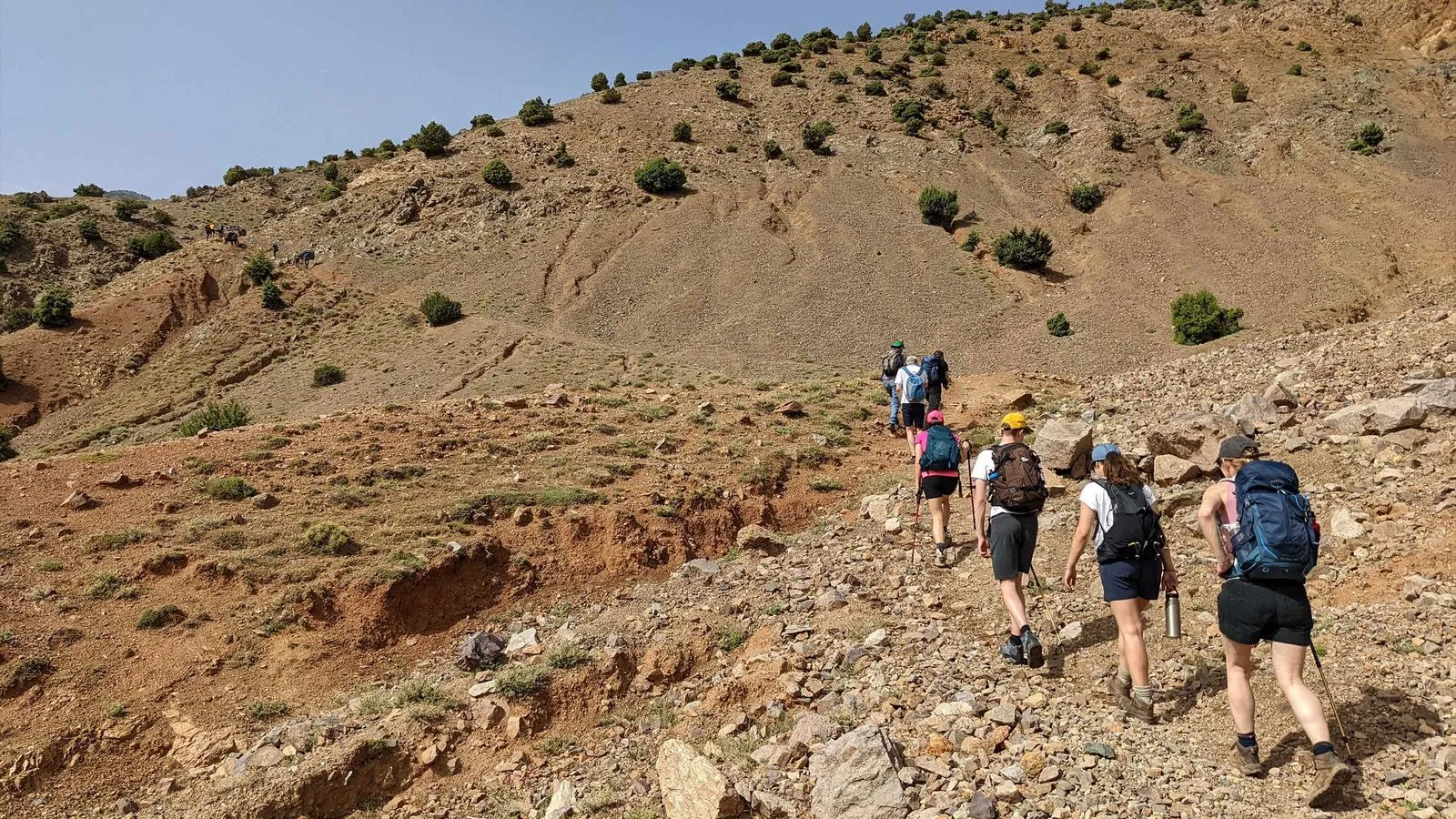
Why Choose the Mount Toubkal Trek?
One of the main reasons why the Mount Toubkal trek is so popular is its accessibility. Unlike many other high mountains, climbing Toubkal does not require technical mountaineering skills. This makes it an excellent option for hikers who want to experience a high-altitude summit without the need for advanced equipment or training.
The trek also offers breathtaking landscapes. From lush valleys and terraced farms to rocky mountain paths and snow-covered peaks, the scenery changes dramatically as you ascend. Along the way, you will also encounter traditional Berber villages, giving you a glimpse into the local culture and lifestyle.
Starting Point – Imlil Village
The journey usually begins in the small mountain village of Imlil, which is about 1.5 to 2 hours’ drive from Marrakech. Imlil serves as the main base for trekkers heading to Mount Toubkal. Here, you can meet your guide, organize your gear, and prepare for the adventure ahead.
From Imlil, the trek gradually climbs through scenic trails, passing walnut groves, rivers, and small settlements. The peaceful environment and fresh mountain air make the start of the trek truly enjoyable.
Trekking Route and Itinerary
The standard Mount Toubkal trek usually takes 2 to 3 days to complete. Here is a typical itinerary:
Day 1: Imlil to Toubkal Refuge
The first day involves a steady hike from Imlil to the Toubkal Refuge, located at around 3,200 meters. This part of the trek takes approximately 5 to 6 hours. Along the way, you will pass the shrine of Sidi Chamharouch, a popular resting point for trekkers.
The refuge is where you will spend the night. It provides basic accommodation, meals, and a chance to rest before the summit push.
Day 2: Summit Day
The second day starts early, usually before sunrise. The climb to the summit takes about 3 to 4 hours. Although the trail is steep and challenging, it is not technical.
Reaching the summit is a truly rewarding experience. From the top, you can enjoy panoramic views of the Atlas Mountains and, on clear days, even see the Sahara Desert in the distance.
After spending some time at the summit, you will descend back to the refuge and continue down to Imlil.
Optional Day 3
Some trekkers choose to spread the journey over three days for a more relaxed experience.
Best Time to Do the Mount Toubkal Trek
The best time for the Mount Toubkal trek depends on your preferences:
-
Spring (April to June): Mild weather and beautiful landscapes
-
Autumn (September to November): Clear skies and comfortable temperatures
-
Winter (December to March): Snow-covered mountains, but requires crampons and warmer gear
-
Summer (July to August): Hot in lower areas but cooler in the mountains
For most trekkers, spring and autumn are considered the ideal seasons.
Difficulty Level
The Mount Toubkal trek is considered moderately difficult. While it does not require technical climbing skills, it does demand a good level of fitness. The main challenges include long walking hours, steep ascents, and high altitude.
It is recommended to do some preparation, such as hiking or cardio training, before attempting the trek.
What to Pack
Packing the right gear is essential for a successful trek. Here are some important items:
-
Comfortable hiking boots
-
Warm clothing (especially for the summit)
-
Waterproof jacket
-
Backpack
-
Sunscreen and sunglasses
-
Water bottle
-
Snacks and energy bars
In winter, additional equipment like crampons and ice axes may be required.
Cultural Experience
One of the highlights of the Mount Toubkal trek is the opportunity to experience Berber culture. The Berber people are the indigenous inhabitants of the Atlas Mountains. They are known for their hospitality and simple way of life.
During the trek, you may stay in local guesthouses, enjoy traditional Moroccan meals, and interact with friendly locals. This cultural connection adds a unique and meaningful dimension to the adventure.
Safety Tips
While the Mount Toubkal trek is relatively safe, it is important to take certain precautions:
-
Hire a local guide for navigation and safety
-
Stay hydrated throughout the trek
-
Take time to acclimatize to the altitude
-
Check weather conditions before starting
-
Follow your guide’s instructions
Travel insurance is also recommended for any trekking adventure.
Conclusion
The Mount Toubkal trek is a must-do adventure for anyone visiting Morocco. It offers a perfect combination of natural beauty, cultural richness, and physical challenge. Standing on the highest peak in North Africa is an achievement that brings a deep sense of accomplishment and unforgettable memories.
Whether you are seeking adventure, stunning landscapes, or a cultural experience, the Mount Toubkal trek has something for everyone. With proper preparation and a positive mindset, this incredible journey can become one of the highlights of your travel life.