
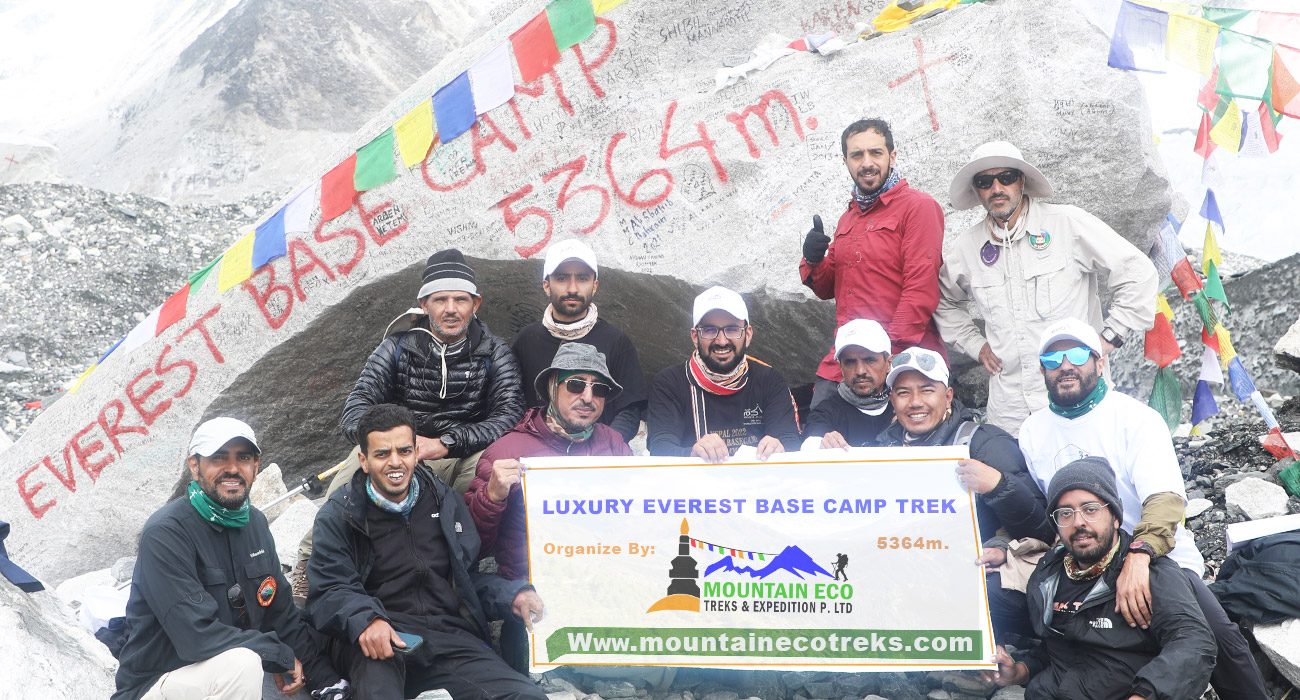
There are mountain trips where the main goal is simply to finish the route. Then there are journeys where the experience itself matters just as much as the destination.
The Everest Base Camp Luxury Trek is designed for the second kind of traveler. It gives you the chance to explore the famous Everest region while enjoying a more comfortable and carefully arranged journey.
You still walk through remote valleys, climb steep trails, and deal with high altitude. But instead of treating comfort as something unnecessary, this style of trekking makes it part of the plan.
Leave the Usual Tourist Experience Behind
The Everest region is far removed from the busy streets and crowded attractions found in many popular vacation spots.
Once you move deeper into the Khumbu, life becomes quieter.
There are fewer vehicles, fewer distractions, and much more space between you and the outside world.
A Different Kind of Privacy
A private or small-group trekking experience can feel very different from traveling with a large crowd.
You may have more freedom to ask questions, stop for photographs, and enjoy the trail at a pace that feels comfortable.
You also spend more time with your guide and travel companions, which can make the journey feel personal rather than rushed.
The Morning Routine Is Part of the Adventure
Mountain mornings can be unforgettable.
You may wake up before sunrise, step outside, and see the first light touching the peaks.
The cold air and quiet surroundings create a completely different start to the day.
Start Each Day Without Rushing
There is no need to jump out of bed and immediately begin walking.
Have breakfast. Check your daypack. Drink some water. Make sure your layers are ready.
A calm start can help you conserve energy for the hours ahead.
Discover the Everest Region Beyond the Main Trail
The famous route gets most of the attention, but the surrounding area has plenty to offer.
Small villages, old monasteries, mountain viewpoints, and quiet side paths can reveal a different side of the Khumbu.
Follow Your Guide’s Local Knowledge
A map tells you where a trail goes.
A local guide can tell you why it matters.
They can explain the meaning of religious landmarks, point out important peaks, and share stories about the communities along the route.
That local knowledge can turn an ordinary walking day into something much more interesting.
Comfort Does Not Have to Mean Excess
Luxury is sometimes misunderstood as having everything available at all times.
That is not realistic in a remote mountain region.
Instead, think of luxury as having the best possible experience within the environment you are visiting.
Appreciate What Is Available
A warm room after a cold day can feel luxurious.
A hot meal when you are hungry can feel luxurious.
A clean place to rest your tired feet can feel luxurious.
The value comes from the setting.
You are not staying in a city hotel. You are resting high in the Himalayas after earning your evening through hours of walking.
Take Care of Your Feet From Day One
Your feet will be doing most of the work during the trek.
Ignoring them can quickly turn a great trip into a painful one.
Small Problems Become Big Problems
Hot spots, blisters, wet socks, or uncomfortable shoes may seem minor at first.
After several hours of walking, they can become serious enough to affect your pace.
Wear your trekking shoes before the trip. Carry comfortable socks and deal with discomfort early rather than waiting for it to become worse.
Learn to Use Your Energy Wisely
The higher you climb, the more important energy management becomes.
You may find yourself walking more slowly than expected. That is normal.
Think About Tomorrow, Too
Do not spend all your energy trying to make today’s walk faster.
You have another day ahead.
Keep your pace steady, eat during the day, drink regularly, and take short breaks when needed.
A successful trek is about managing your strength across the entire journey.
Give Altitude the Respect It Deserves
The biggest mistake a traveler can make is assuming that good fitness alone protects them from altitude problems.
It does not.
Altitude affects people differently, regardless of age or fitness level.
Tell Your Guide When Something Feels Wrong
Headaches, nausea, dizziness, unusual weakness, or breathing problems should not be hidden.
Your guide needs to know how you are feeling.
A sensible itinerary includes time for acclimatization, and changes may be necessary if your body is not adjusting well.
Reaching Base Camp is never more important than staying safe.
Keep Your Daily Gear Simple
You do not need a giant backpack for every possible situation.
Carrying too much will only make the walking harder.
What Belongs in Your Daypack?
Useful items include:
- Water bottle
- Snacks
- Sunglasses
- Sunscreen
- Extra warm layer
- Rain protection
- Personal medicine
- Phone or camera
- Power bank
- Small personal items
Keep the bag light enough that you can carry it comfortably for several hours.
Make Room for Local Food and Culture
Food can be one of the easiest ways to connect with a new place.
Do not spend the entire trek choosing only familiar meals.
Try local dishes when they suit you.
Eat With Curiosity
A simple local meal can tell you something about mountain life.
Your guide can suggest foods that are popular in the region and suitable for trekking.
You do not need to eat something completely unfamiliar every day. Just be willing to explore a little.
Travel Respectfully Through the Khumbu
The Everest region is home to people, not just a backdrop for photographs.
Local customs and religious traditions deserve respect.
Simple Courtesy Goes a Long Way
Ask before photographing people.
Follow instructions at monasteries and religious sites.
Do not walk through private areas simply because they look interesting.
Keep noise low in quiet places.
Being respectful allows you to experience the region without treating local communities as part of a tourist display.
Why Choose a Luxury Everest Experience?
The Everest Base Camp Luxury Trek makes sense for people who want the adventure but prefer to remove some of the unnecessary discomfort.
It can suit travelers who value:
- Better accommodation where available
- Professional guides
- Organized transportation
- More personal attention
- Comfortable meals
- A carefully planned itinerary
- Time to enjoy the surroundings
It is not about making Everest easy.
It is about making the overall experience better organized.
Conclusion
The Everest Base Camp Luxury Trek offers a different way to approach one of the world’s most famous mountain journeys.
It does not remove the physical work. It does not guarantee perfect weather. It does not make high altitude harmless.
What it can do is give you better organization, more comfort, and greater support while you experience the real Himalayas.
For travelers who want their Everest adventure to feel personal rather than rushed, that difference can matter.
Take your time. Learn from the people you meet. Notice the changing landscape. Rest when your body asks for it.
When you finally reach Base Camp, you will know that the destination was only one part of the story.
Frequently Asked Questions
Can I take a private luxury trek to Everest Base Camp?
Private arrangements may be available depending on the trekking company and selected package. A private trip can provide more flexibility than a larger group.
Does private trekking mean I can change the itinerary anytime?
Not necessarily. High-altitude routes still require careful planning. Any changes should consider weather, trail conditions, acclimatization, and safety.
Is a luxury trek suitable for first-time trekkers?
It can be, provided you prepare properly and follow an itinerary designed for gradual altitude gain. Previous trekking experience is helpful but not always required.
What is the most important item to protect during the trek?
Your feet deserve special attention. Comfortable, broken-in footwear and good socks can make a major difference during long walking days.
Why choose luxury instead of a standard Everest trek?
The main reason is comfort and organization. Travelers who value better service, improved accommodation, and personal support may find the luxury approach more enjoyable.