
Tanzania stands as Africa’s premier safari destination, offering unmatched wildlife diversity, iconic landscapes, and the greatest wildlife spectacle on Earth. A private Tanzania safari elevates this already extraordinary experience, providing exclusivity, flexibility, and personalized attention that transforms a remarkable journey into an unforgettable adventure. Understanding what makes private safaris special and how to plan one effectively ensures you maximize both your investment and experience in this wildlife paradise.
What Defines a Private Safari
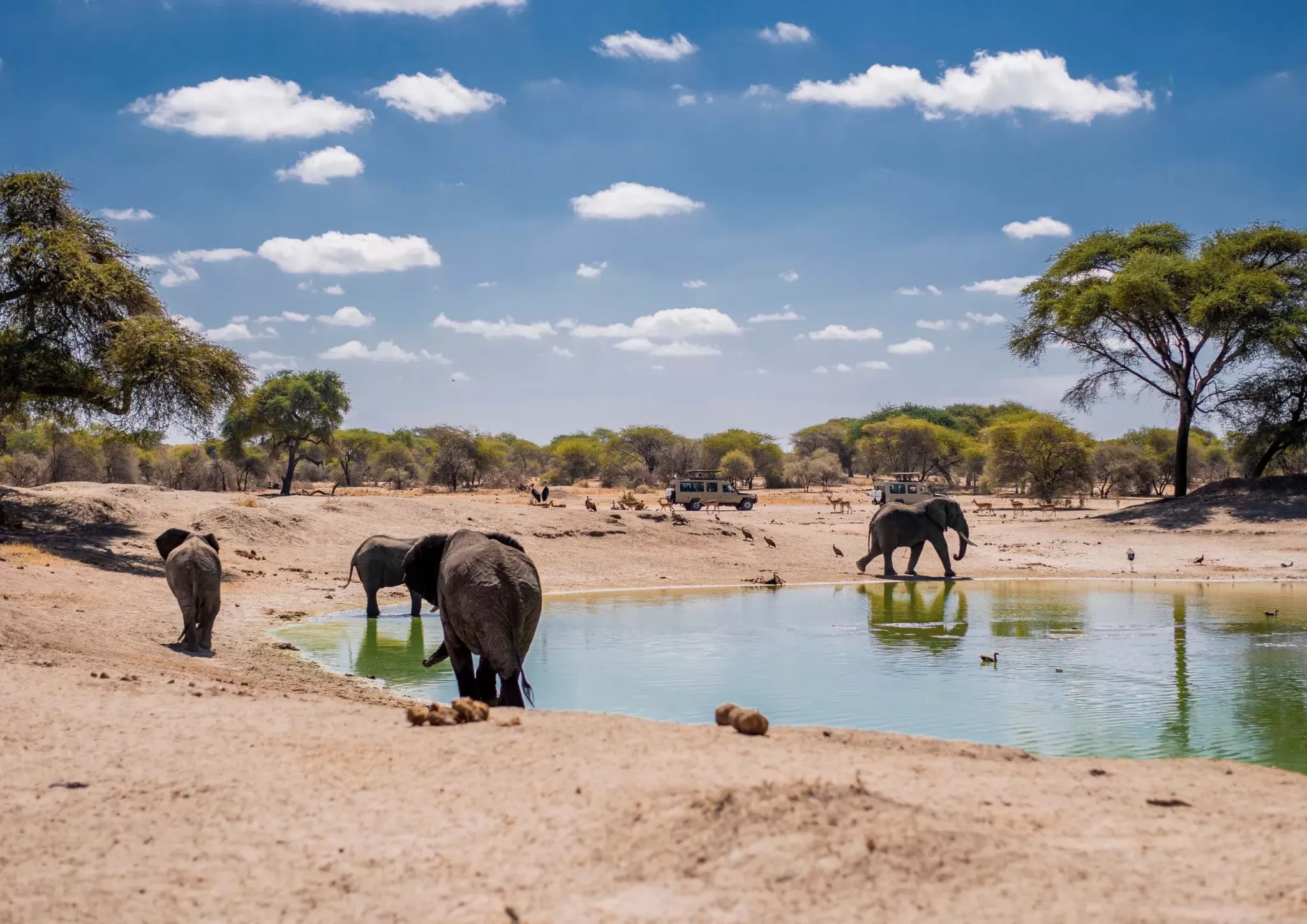
A private Tanzania safari means exclusive use of a vehicle, guide, and itinerary designed specifically for your party. Whether traveling solo, as a couple, with family, or a small group of friends, you control every aspect of the experience without compromise or accommodation to strangers’ preferences.
The vehicle serves only your group throughout the safari. Your guide focuses entirely on your interests, questions, and photography needs. Departure times, lunch locations, and game drive durations align with your preferences rather than group consensus. This exclusivity creates safari experiences impossible to achieve in shared arrangements.
Private safaris range from budget camping adventures to ultra-luxury experiences with premium lodges and additional services like private chefs, photographers, or specialized guides. The defining characteristic remains exclusivity and customization rather than luxury level, though most private safaris fall into mid-range to luxury categories.
Advantages of Private Safari Experiences
Complete Schedule Control
Wake early to catch predators during peak hunting activity, or sleep later if you prefer. Extend afternoon game drives into evening if wildlife activity warrants. Stop for photographs as long as needed without feeling rushed by other passengers eager to move on.
Private safaris allow spontaneous itinerary adjustments. If your guide receives radio communication about a rare sighting or exceptional wildlife activity, you can immediately redirect without consulting other travelers. When a leopard lounges in a tree or wild dogs make a kill, you decide how long to observe rather than leaving because others want lunch.
Personalized Guide Interaction
Your guide works exclusively for you, answering questions thoroughly, sharing ecological knowledge, and adapting their approach to match your interests. Photography enthusiasts receive guidance on positioning for optimal light and angles. Families with children benefit from age-appropriate information and flexible schedules accommodating shorter attention spans.
Guides on private safaris often share more detailed information and personal stories than possible in group settings where they must balance varied knowledge levels and interests. The relationship becomes genuinely personal, with many guides and clients maintaining friendships long after safaris conclude.
Flexible Pacing
Some travelers thrive on intensive wildlife viewing, maximizing every hour with game drives and minimal downtime. Others prefer balanced itineraries incorporating bush walks, cultural visits, and relaxation time at lodges.
Private safaris accommodate both extremes and everything between. Spend an entire day following a lion pride if their behavior proves fascinating, or return to camp mid-morning for pool time and afternoon relaxation. The schedule serves your preferences, not predetermined group plans.
Photography Opportunities
Serious photographers benefit immensely from private arrangements. Position vehicles specifically for lighting, request low approaches for eye-level shots, and wait patiently for animals to move into better compositions. Your guide won’t pressure you to leave when light and subject align perfectly.
Privacy and Intimacy
Share emotional moments witnessing wildlife drama only with chosen companions. Discuss observations freely without concern for strangers’ reactions. Families create bonding experiences, couples enjoy romantic exclusivity, and friends share adventures without outside interruption.
Tanzania’s Premier Safari Destinations
Private safaris access all of Tanzania’s renowned parks and conservation areas, each offering distinct ecosystems and wildlife experiences.
Serengeti National Park
The Serengeti’s 14,750 square kilometers host the Great Migration, where roughly two million wildebeest, zebras, and gazelles undertake an annual circular journey following rainfall patterns. Private safaris allow strategic positioning throughout the year, whether witnessing river crossings during migration months or enjoying excellent resident wildlife during quieter periods.
The Serengeti’s diverse regions from southern plains to western corridor and northern Kogatende offer varied landscapes and wildlife concentrations. Private itineraries can explore multiple areas rather than remaining in single locations.
Ngorongoro Crater
This massive volcanic caldera contains one of Earth’s highest concentrations of large mammals. Private vehicles on the crater floor mean you control when to observe the resident black rhinos, lion prides, and massive buffalo herds without competing for positioning with numerous other tourists.
Tarangire National Park
Tarangire’s ancient baobab trees and large elephant herds create distinctive scenery. During dry season, the Tarangire River attracts thousands of animals, creating spectacular concentrations. Private safaris can dedicate more time to this often-underrated park, which many group tours rush through despite its exceptional wildlife.
Ruaha and Nyerere (Selous)
Southern Tanzania’s remote parks receive fewer visitors than northern circuit destinations, offering wilderness experiences with minimal tourist presence. Private safaris to these areas provide access to pristine landscapes where you might encounter no other vehicles for hours.
Lake Manyara and Mahale Mountains
Specialized destinations like Lake Manyara’s tree-climbing lions or Mahale’s chimpanzee trekking become viable on private safaris where itineraries aren’t constrained by standard routes. These unique experiences add diversity to comprehensive Tanzania explorations.
Planning Your Private Safari
Duration Considerations
Tanzania’s size and park distribution require thoughtful time allocation. Seven to ten days allows proper exploration of northern circuit highlights including Serengeti, Ngorongoro, Tarangire, and Lake Manyara. Two-week safaris can incorporate southern parks or include Zanzibar beach extensions.
Shorter three to five-day safaris work for specific objectives like witnessing migration river crossings or focused Ngorongoro and Tarangire visits, though they feel rushed given travel distances between parks.
Seasonal Timing
Tanzania offers year-round safari opportunities with seasonal variations affecting wildlife distribution and experiences.
The dry season from June through October provides easiest wildlife viewing as animals concentrate around water sources and vegetation. This peak season brings higher accommodation rates and more tourists, though private safaris still offer significant advantages over group tours.
The short rains in November and December bring dramatic skies and green landscapes. Wildlife remains accessible and tourist numbers drop slightly.
January and February feature the wildebeest calving season in southern Serengeti, when hundreds of thousands of calves are born within weeks, attracting predators and creating spectacular viewing.
The long rains from March through May bring afternoon downpours and lush vegetation. While some camps close and roads become challenging, those willing to brave occasional rain enjoy exceptional value, minimal tourists, and beautiful scenery with newborn animals everywhere.
Accommodation Selection
Private safaris work with any accommodation level from basic camping to ultra-luxury lodges. Your choice dramatically impacts budget and experience character.
Luxury permanent lodges offer swimming pools, fine dining, spa services, and spacious rooms. Properties like Four Seasons Safari Lodge Serengeti, Singita lodges, or &Beyond camps provide exceptional comfort with price tags ranging from $800 to $2,000 per person per night.
Mid-range tented camps balance comfort with authentic safari atmosphere. Canvas structures with proper beds, en-suite bathrooms, and good food typically cost $300 to $600 per person nightly. These represent excellent value, delivering genuine safari experiences without unnecessary extravagance.
Budget camping safaris involve mobile camps with tents, camping equipment, and meals prepared by camp staff. While basic, these offer intimate wilderness experiences at $150 to $250 per person daily.
Vehicle and Equipment
Quality operators provide well-maintained Toyota Land Cruisers or similar robust 4×4 vehicles designed for safari conditions. Extended-roof pop-tops allow standing for photography and wildlife viewing. Ensure vehicles have charging ports for camera batteries and devices.
Private safaris should include binoculars, field guides, and coolers with cold drinks. Confirm vehicle features during booking to avoid disappointment.
Cost Structure and Budgeting
Private Tanzania safaris represent significant investments with costs varying widely based on accommodation level, season, park selection, and group size.
A seven-day private safari for two people using mid-range accommodations typically costs $4,000 to $6,000 per person including park fees, lodging, meals, guide services, and vehicle. Luxury safaris range from $7,000 to $15,000 per person for equivalent duration.
Budget camping safaris for groups of four can run $2,000 to $3,000 per person for a week. Larger private groups reduce per-person costs as vehicle and guide expenses spread across more people.
Tanzania’s park fees contribute significantly to overall costs. Serengeti charges $70 per adult daily, Ngorongoro Crater $70 plus $300 vehicle crater service fees. These conservation fees support park management and wildlife protection, representing essential investments in Tanzania’s natural heritage.
Choosing Your Safari Operator
Selecting the right company determines safari quality and value. Research operators thoroughly, verifying licensing with Tanzania Tourist Board and membership in reputable associations like TATO.
Review client testimonials on independent platforms like TripAdvisor and SafariBookings. Look for patterns in feedback regarding guide quality, vehicle condition, and company responsiveness.
Request detailed quotations breaking down all costs. Reputable operators provide transparency about included services, park fees, and potential additional expenses. Unclear pricing or reluctance to provide detailed information signals potential problems.
Communicate directly with operators to assess professionalism and compatibility. Quality companies respond promptly, answer questions thoroughly, and demonstrate genuine interest in creating excellent experiences rather than simply closing sales.
Maximizing Your Private Safari
Communicate Preferences Clearly
Inform your operator about specific interests whether photography, bird watching, predator behavior, or cultural experiences. Share fitness levels relevant for walking safaris or crater descents. Mention dietary requirements or accommodation preferences. Detailed communication enables better customization.
Trust Your Guide’s Expertise
While private safaris offer control, experienced guides possess invaluable knowledge about current wildlife locations, weather patterns, and optimal timing. Balance your preferences with their professional judgment for best results.
Stay Flexible
Wildlife doesn’t follow schedules. The most memorable safari moments often arise unexpectedly. Remaining flexible allows guides to pursue spontaneous opportunities that rigid itineraries might miss.
Embrace Early Mornings
Dawn provides the best wildlife activity, cooler temperatures, and beautiful light. While private safaris allow sleeping late, those willing to wake early consistently enjoy superior experiences.
Responsible Private Safari Tourism
Private safaris carry responsibility to minimize environmental impact and support conservation. Choose operators demonstrating commitment to sustainable practices through responsible wildlife viewing, waste management, and community engagement.
Maintain proper distances from animals, never requesting guides to approach too closely despite vehicle exclusivity. Excessive proximity stresses wildlife and violates park regulations.
Support local communities through cultural visits, purchasing authentic crafts, and choosing operators employing and fairly compensating Tanzanian staff.
Conclusion: Key Takeaways
A private Tanzania safari delivers unparalleled wildlife experiences through exclusivity, flexibility, and personalized attention that group safaris cannot match.
Invest in reputable operators with licensed guides, quality vehicles, and proven track records. The cheapest option rarely provides the best value, while thorough research identifies companies offering excellent experiences at fair prices.
Plan itineraries allowing adequate time in each destination. Tanzania’s parks deserve unhurried exploration rather than rushed checklists. Seven to ten days provides satisfying northern circuit coverage without exhausting travel schedules.
Choose accommodation matching your priorities and budget. Luxury lodges offer exceptional comfort, mid-range camps balance authenticity with amenities, and camping safaris provide intimate wilderness connections. All work successfully for private safaris.
Time your safari according to priorities. Dry season provides easiest wildlife viewing and best weather but higher costs and more tourists. Wet season offers value, dramatic landscapes, and fewer visitors for those accepting occasional rain.
Communicate expectations clearly during planning. Detailed discussions about interests, preferences, and concerns enable operators to design ideal itineraries and avoid disappointments from mismatched expectations.
Consider group composition carefully. Private safaris work beautifully for couples, families, and friend groups but require compatible interests and flexibility when traveling with others. Solo travelers pay premium rates for exclusivity but gain complete control.
Budget realistically, understanding that quality private safaris require appropriate investment. Park fees alone consume significant portions of costs, while guides, vehicles, and accommodations meeting safety and comfort standards add substantially.
Embrace the relationship with your guide. Their expertise, passion, and local knowledge transform good safaris into extraordinary journeys. Show appreciation through respectful engagement and appropriate gratuities.
A private Tanzania safari represents more than luxury travel. It provides intimate wildlife encounters, cultural insights, and personal connections with one of Earth’s most spectacular ecosystems. The investment delivers memories lasting lifetimes and contributes to conservation protecting Tanzania’s natural heritage for future generations.